


Top Web Development Trends in 2026: Technologies, Tools & Strategies Defining the Future of the Web
The web development landscape is entering its most advanced phase yet. In 2026, websites are no longer just digital brochures — they are AI-powered, performance-driven, secure, and experience-focused platforms.
With Google’s continued emphasis on user experience, Core Web Vitals, AI-driven search, and mobile-first performance, developers and businesses must adapt quickly to stay relevant.
This guide covers the top web development trends in 2026, explains why they matter, and shows how businesses and developers can future-proof their websites.
Why Web Development Trends Matter in 2026
In 2026, users expect:
- Instant page loading
- App-like interactions
- Personalized content
- Strong security & privacy
- Accessibility for all users
Meanwhile, search engines prioritize:
- Page Experience signals
- Core Web Vitals
- Mobile-first indexing
- AI-readable content
- Secure and accessible design
1. AI-First Web Development Becomes the New Standard
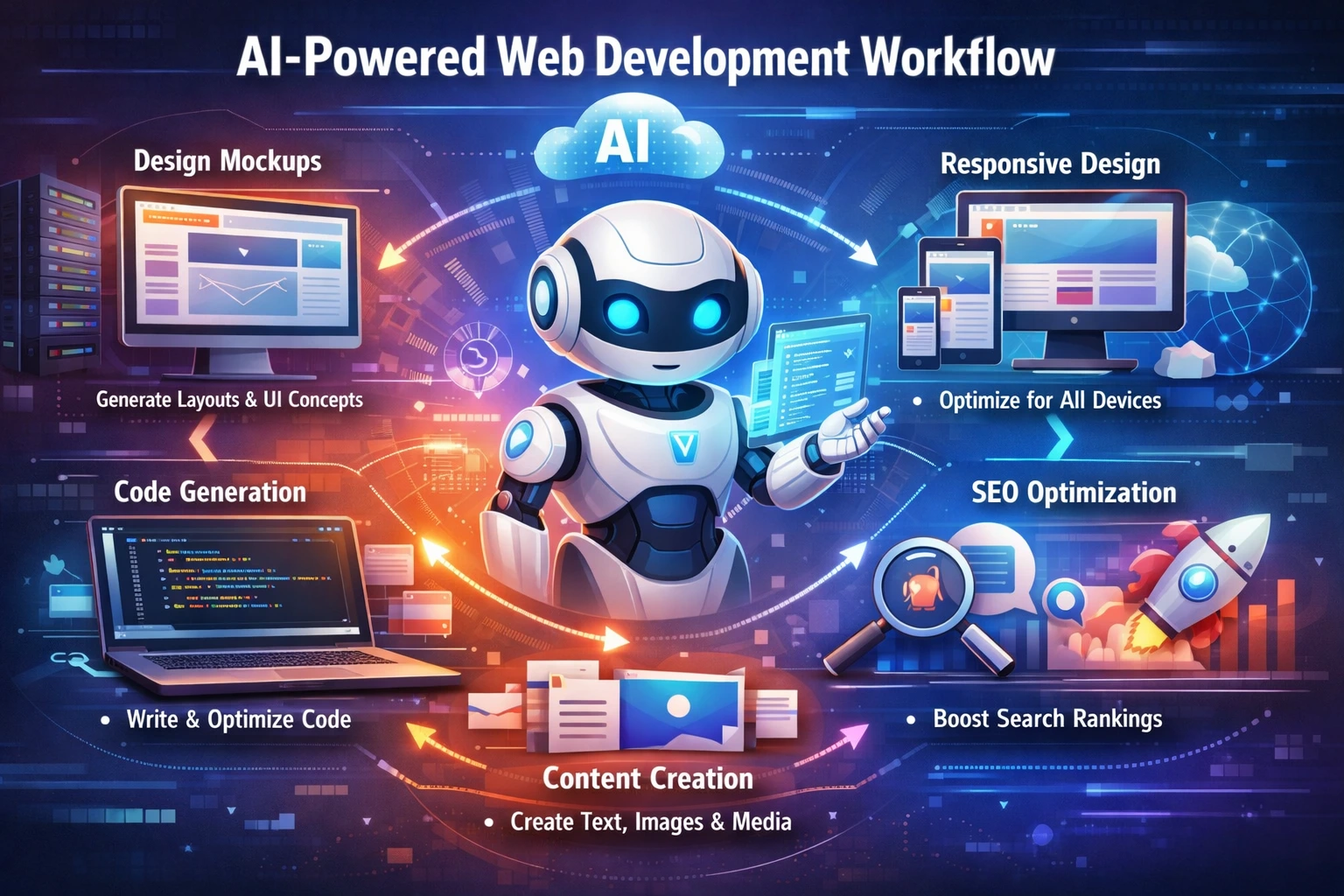
Artificial Intelligence is no longer an add-on — in 2026, it is deeply integrated into web development workflows.
How AI is shaping web development:
- AI-assisted code writing & refactoring
- Intelligent bug detection
- Automated UI/UX optimization
- AI chatbots & voice assistants
- Personalized content delivery
Developers use AI to:
- Reduce development time
- Improve code quality
- Deliver smarter user experiences
Businesses benefit from:
- Higher engagement
- Better conversions
- Real-time personalization
2. Performance-Driven Development (Core Web Vitals 2.0)
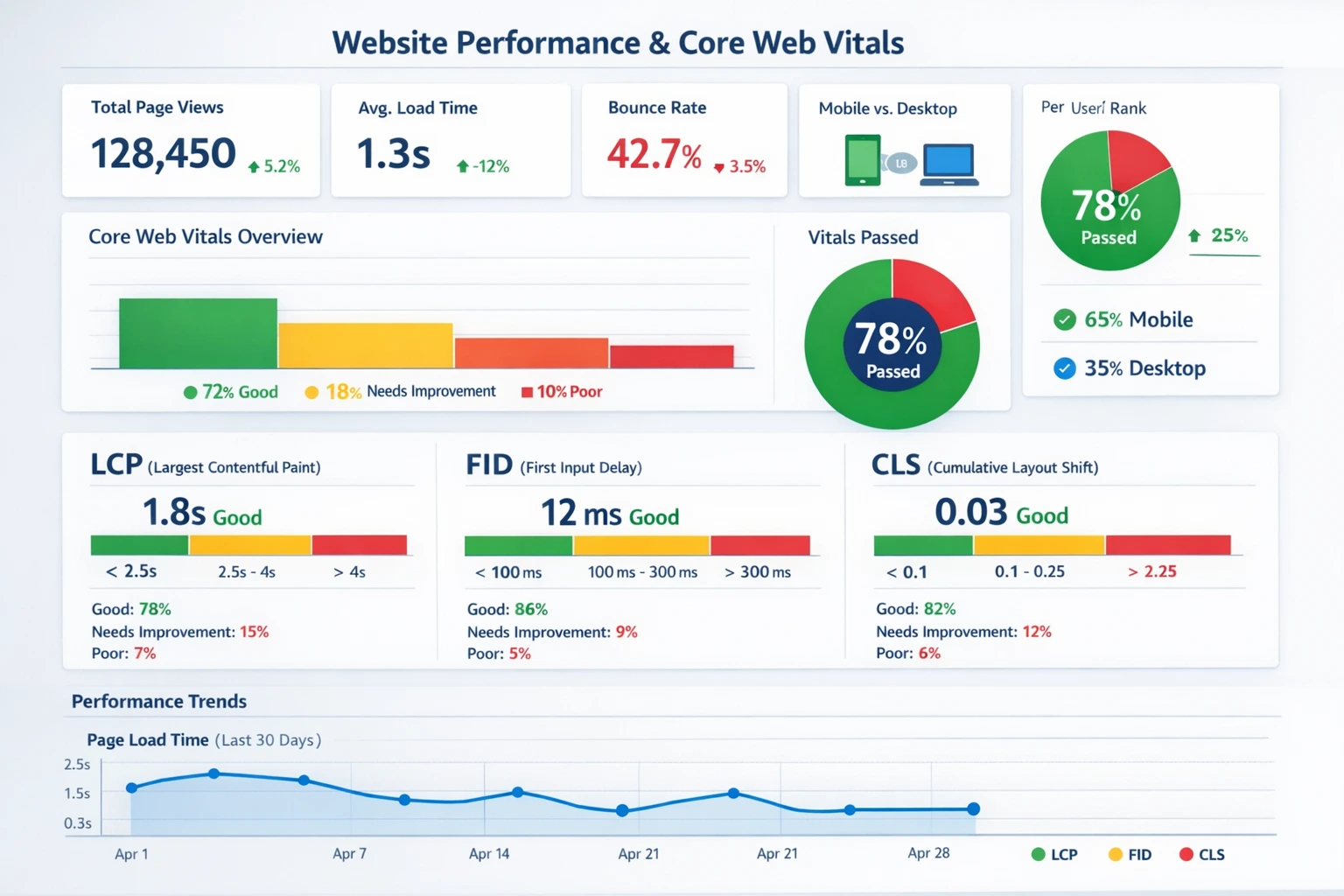
In 2026, performance is a core business metric, not just a technical concern.
Google now evaluates:
- Largest Contentful Paint (LCP)
- Interaction to Next Paint (INP)
- Cumulative Layout Shift (CLS)
Performance optimization techniques:
- Edge computing
- Server-side rendering (SSR)
- Static site generation (SSG)
- Image & font optimization
- Advanced caching strategies
Fast websites:
✔ Rank higher
✔ Convert better
✔ Retain users longer
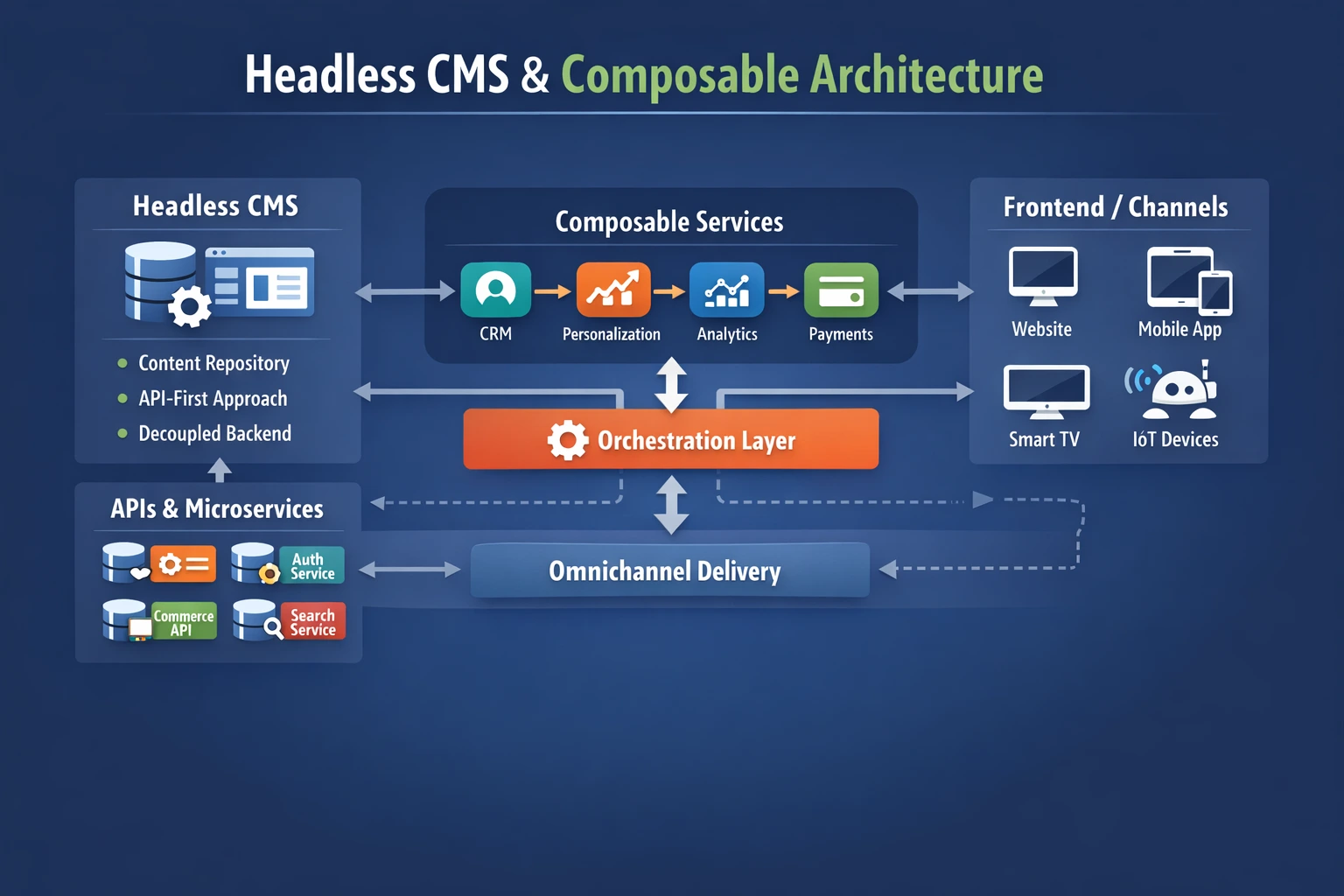
3. Headless CMS & Composable Architecture Dominate
Headless CMS adoption accelerates further in 2026 due to scalability and flexibility.
What is composable architecture?
A modular approach where:
- Frontend
- Backend
- APIs
- Services
are all independent yet connected.
Benefits:
- Faster development cycles
- Omnichannel delivery
- Better performance
- Future scalability
Popular technologies:
- Headless WordPress
- Strapi
- Contentful
- Sanity
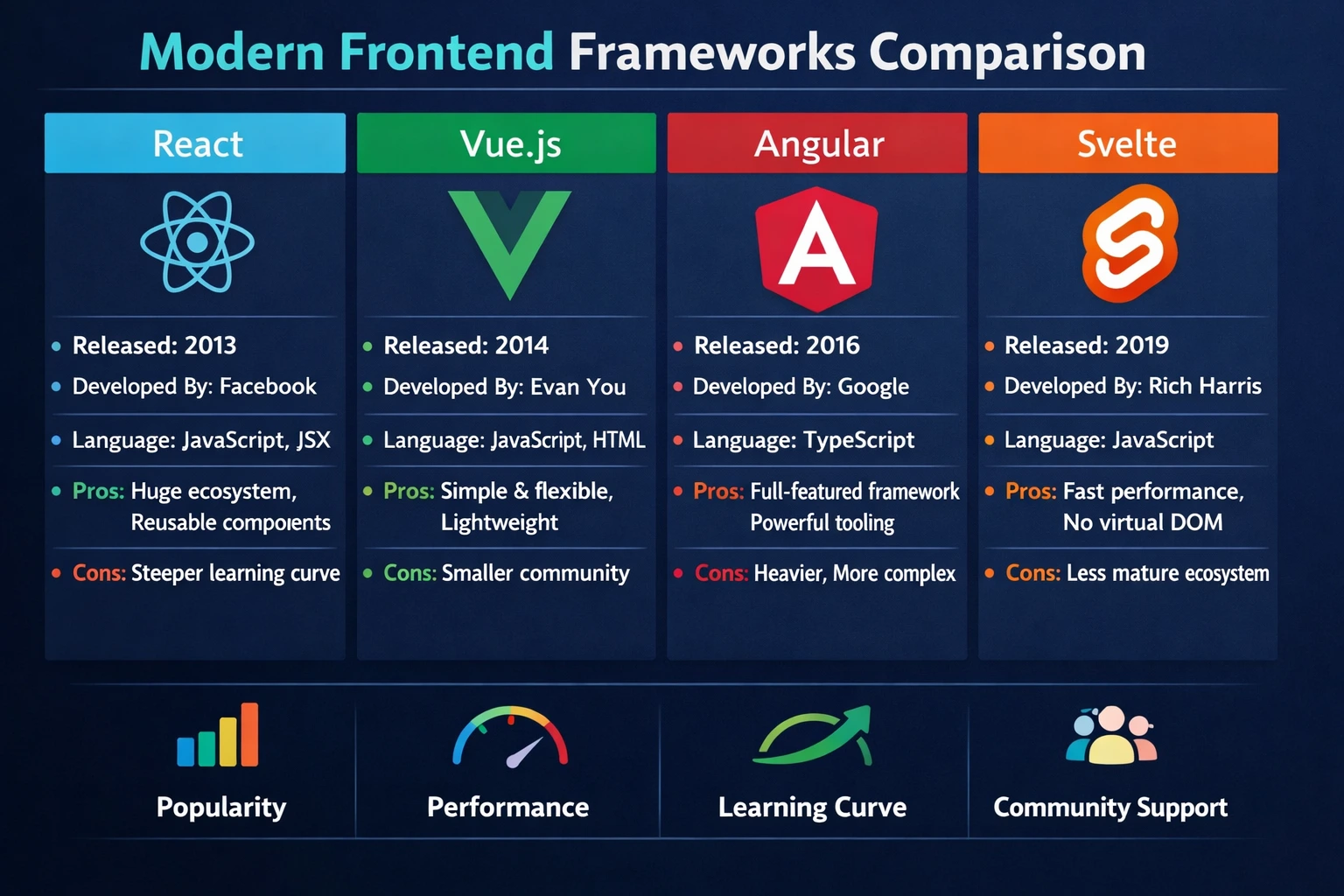
4. Frontend Frameworks Evolve Toward Hybrid Rendering
Frontend development in 2026 focuses on hybrid rendering models.
Popular frontend technologies:
- React + Server Components
- Next.js & Nuxt
- Svelte & SvelteKit
- Astro
Key improvements:
- Faster initial load
- Better SEO
- Reduced JavaScript payloads
This makes modern websites both developer-friendly and search-engine friendly.
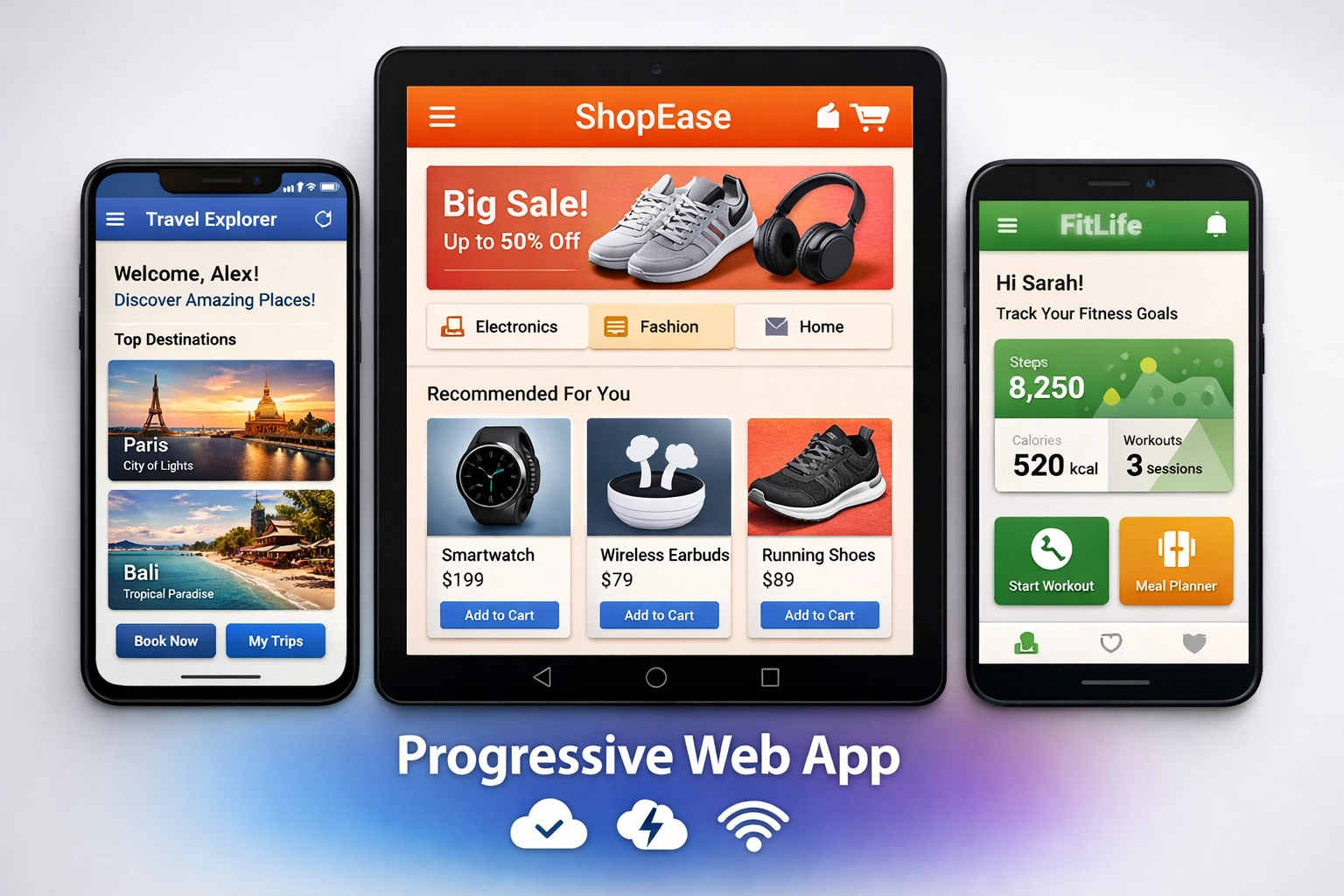
5. Progressive Web Apps (PWAs) Go Mainstream
PWAs are no longer optional — they are a preferred solution for many businesses.
Why PWAs thrive in 2026:
- Offline functionality
- App-like UX
- Push notifications
- Lower development cost
Used heavily in:
- Ecommerce
- SaaS platforms
- News & content portals
6. Backend Development Shifts Toward Serverless & Edge Computing
Backend development in 2026 focuses on speed, scalability, and cost efficiency.
Key backend trends:
- Serverless architecture
- Edge computing
- Microservices
- API-first development
Popular technologies:
- Node.js
- Deno
- Cloudflare Workers
- AWS Lambda
These technologies allow websites to:
- Scale automatically
- Reduce latency
- Handle global traffic efficiently
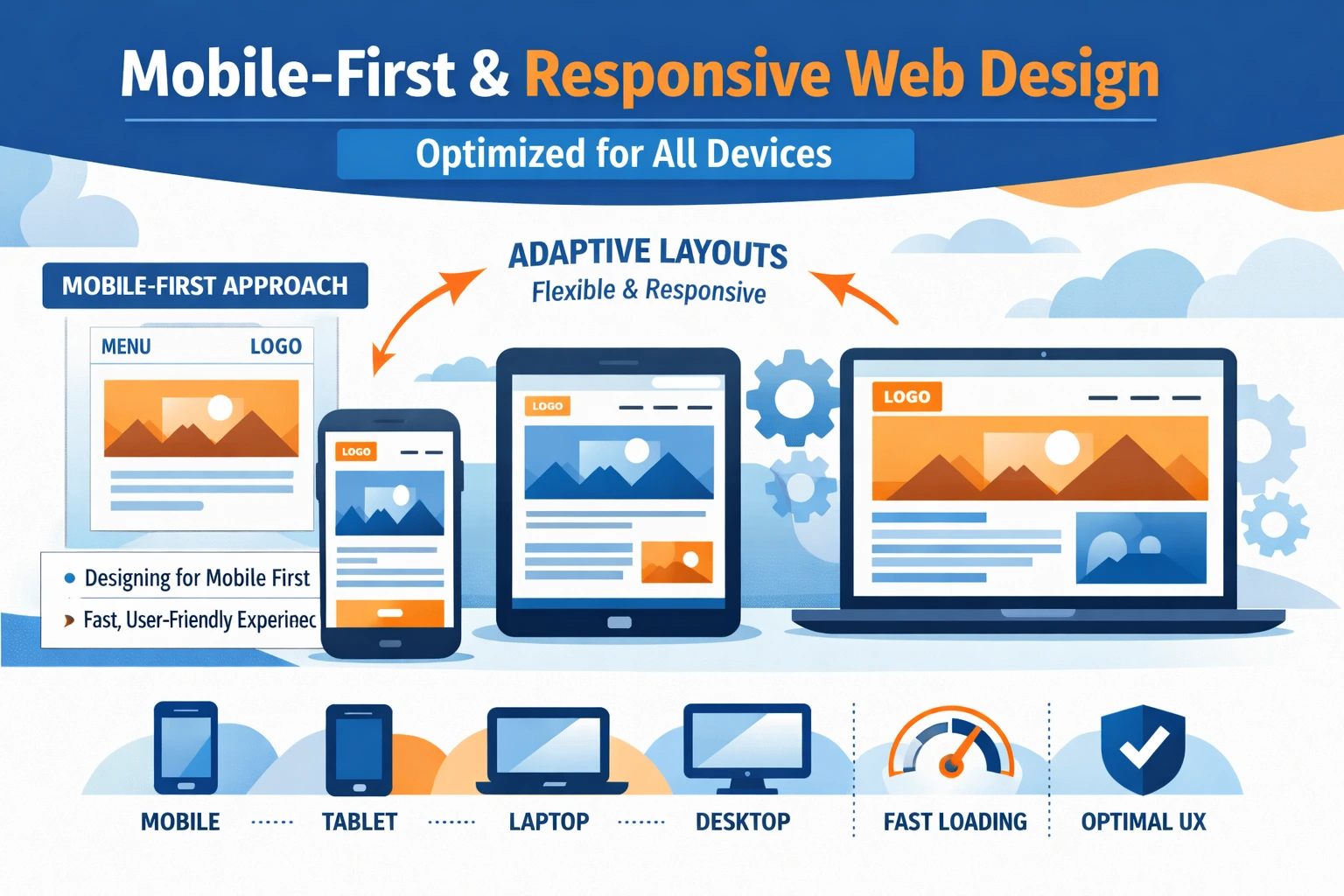
7. Mobile-First & Device-Adaptive Development
In 2026, mobile-first is not enough — device-adaptive development is the new approach.
Websites adapt dynamically to:
- Screen size
- Network speed
- Device capability
Best practices:
- Responsive layouts
- Adaptive images
- Touch-optimized UI
- Reduced payloads for mobile
8. Web Security & Privacy-By-Design
Cybersecurity is a top priority in 2026.
Essential security practices:
- HTTPS & SSL
- Secure authentication
- Data encryption
- CSP & XSS protection
- Regular vulnerability audits
Privacy regulations push developers to implement privacy-by-design architecture.

9. Accessibility (a11y) Becomes a Ranking & Trust Factor
Accessibility is no longer optional.
In 2026:
- Accessibility improves SEO
- Expands audience reach
- Enhances UX
Developers focus on:
- Semantic HTML
- ARIA labels
- Keyboard navigation
- Screen-reader support
Accessible websites perform better both ethically and commercially.
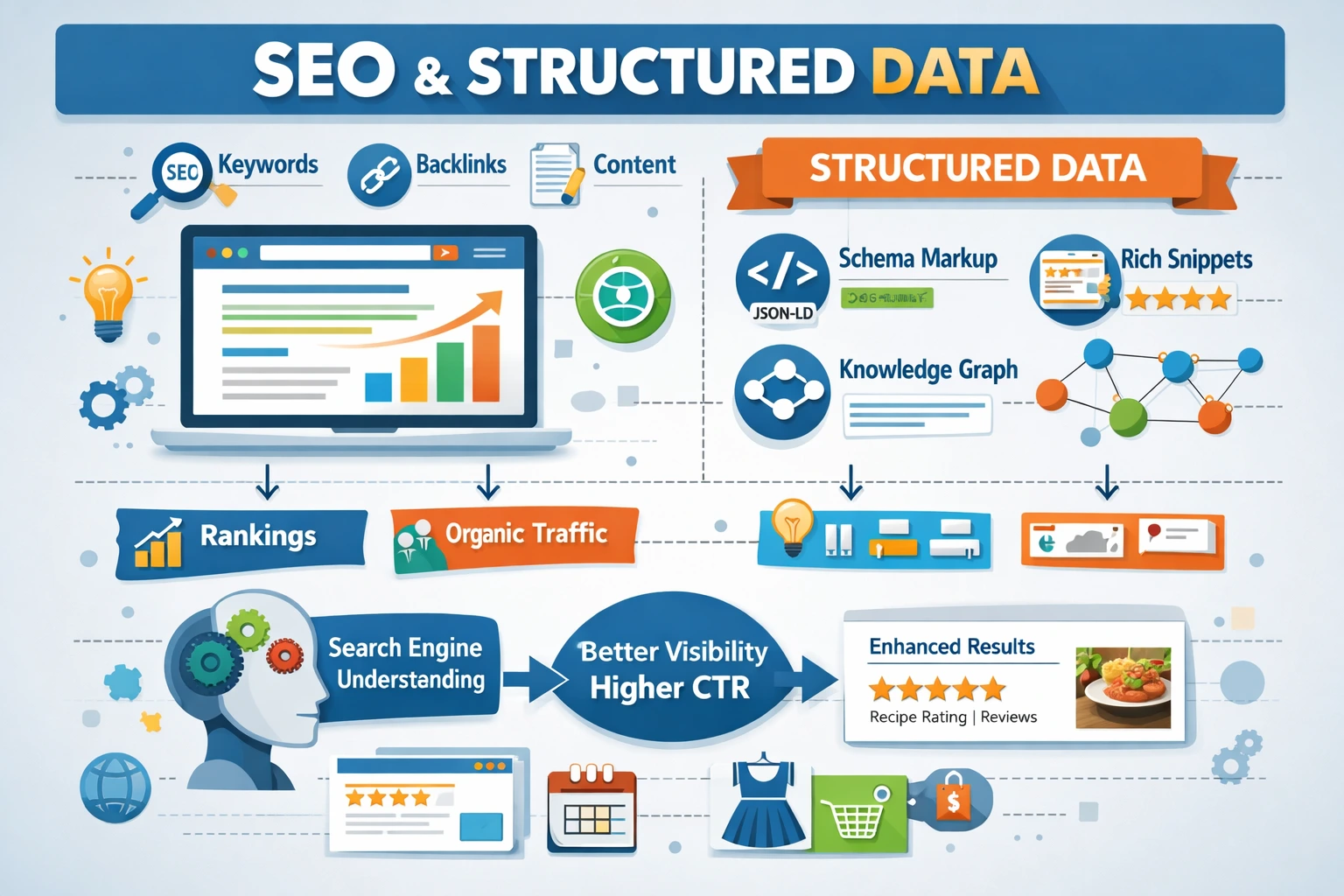
10. SEO-Driven & AI-Readable Development
Search engines in 2026 rely heavily on:
- Structured data
- Semantic content
- Page experience
SEO-driven development includes:
- Clean HTML structure
- Schema markup
- Fast loading pages
- Mobile optimization
Developers who understand SEO build ranking-ready websites by default.
11. Low-Code & No-Code Platforms Support Rapid Development
Low-code tools complement traditional development by:
- Speeding up MVP creation
- Reducing cost
- Allowing rapid iteration
However, custom development remains essential for scalability, performance, and complex logic.
How Businesses Can Prepare for Web Development in 2026
To stay competitive:
- Invest in modern frameworks
- Focus on performance & UX
- Implement AI where valuable
- Prioritize security & accessibility
- Align development with SEO
Future of Web Development Beyond 2026
Looking ahead:
- AI-native websites
- Voice & conversational interfaces
- Deeper personalization
- Increased automation
Web development will continue evolving toward experience-driven digital ecosystems.
Final Thoughts
The top web development trends in 2026 revolve around:
- AI integration
- Performance optimization
- Scalability
- Security
- User-centric design
Websites are no longer static assets — they are intelligent, adaptive platforms.
Businesses and developers who adopt these trends early will:
- Rank higher on Google
- Deliver superior user experiences
- Achieve long-term digital success